Did you know nearly 36 million used vehicles are sold in the U.S. each year? With so many cars sold, getting the best value for your old vehicle is key. Whether you want a new car or just need space, selling your used vehicle can be profitable if done right.
In this guide, we’ll cover everything to turn your old car into cash. We’ll show you how to get your car ready for sale and pick the best ways to advertise. You’ll learn to set a fair price, choose the right selling method, and use pay-per-click advertising to find buyers. By the end, you’ll know how to sell your car for the most money.
Why sell your old vehicle? It’s not just about the money. You’ll also help the environment by reducing waste and supporting recycling. Are you ready to start? Here’s what you need to know.
Key Takeaways
- The U.S. sees nearly 36 million used vehicles sold each year, making it essential to maximize your car’s value.
- Preparing your car for sale involves repairs, maintenance, and documentation.
- Understanding market prices and using online valuation tools can help set a competitive price.
- Different selling methods, like private sales and online marketplaces, offer various advantages.
- Effective advertising and highlighting positive reviews can increase buyer interest and build credibility.
Why Sell Your Old Car?
Deciding to sell your old car has many benefits. It can save you money and help the environment. Selling might be the best choice you make.
Benefits of Selling Rather Than Keeping
Selling your car means less money spent on repairs. Older cars need more repairs, which costs a lot. Selling frees you from these costs and lets you use the money better.
Financial Gains from Selling
Selling your car can bring in a lot of money. The best place to sell used cars might give you more than you expect. This money can help you buy a newer, more reliable car.
Newer cars also save you money on gas. They use less fuel, which means you spend less at the pump.
Environmental Considerations
Selling your car also helps the environment. New cars pollute less and use cleaner technology. By selling your old car, you help reduce pollution and support a greener world.
Less old cars means fewer pollutants. This makes the air cleaner for everyone. It’s a small step towards a cleaner planet and saves you money too.
Selling your old car has many benefits. It’s not just about the money. It’s also about helping the planet. The choice to sell for cash for old cars is a big one, but the rewards are worth it.
Preparing Your Old Car for Sale
Selling your old car can be quick and profitable if you prepare well. Getting your vehicle ready not only speeds up the sale but also boosts its value. Here are key steps to prepare your car for sale.
Necessary Repairs and Maintenance
Begin with any repairs and maintenance your car needs. Fixing small problems like broken lights, worn-out brake pads, or faulty wipers can greatly increase its value. Make sure the engine is in good shape with an oil change and other maintenance tasks.
Cleaning and Detailing Tips
A clean car looks better. Wash and wax the outside, and vacuum and wipe down the inside. Don’t forget to remove trash and personal items. For a showroom look, consider professional detailing services.
Importance of Documentation
Having all the right documents is key. Collect records of maintenance and repairs to build trust with buyers. Make sure you have a clear title, emission test results, and other legal papers. Good documentation makes selling your car faster and clearer for buyers.
Understanding Your Car’s Value
Figuring out your old car’s value is key before you sell it. Knowing the car’s worth helps you set a good price and makes selling easier. By understanding your car’s value, you can make smart choices and draw in serious buyers.
Researching Market Prices
Start by looking at prices of similar cars. Websites like Kelley Blue Book and Edmunds are great for this. They show you how much your car is worth based on make, model, and year. Looking at similar cars in your area helps you figure out your car’s worth.
Online Valuation Tools
Online tools can quickly give you an idea of your car’s value. They consider things like mileage, condition, and where you live. For example, you can check cash-for-cars services near Fort Sumner, NM for a reliable estimate.
Factors Affecting Your Car’s Worth
- Make and Model: Cars from well-known brands and popular models usually cost more.
- Age: Cars that are newer tend to be worth more than older ones.
- Mileage: Cars with lower mileage are often more valuable.
- Condition: Cars in good shape sell for better prices.
- Market Demand: Cars that are in high demand can be worth more.
Choosing the Right Selling Method
Deciding how to sell your old car is crucial. You have three main options: selling privately, trading it in, or using a consignment service. Each choice affects your convenience and how much money you’ll get back.
Private Sale vs. Trade-In
When choosing between a private sale and a trade-in, think about what matters most to you. Selling privately can get you a better price since you deal directly with the buyer. But, it takes more work, like advertising and meeting people.
Trading in your car at a dealership is easier. They handle all the paperwork and can apply your trade-in value to a new car. This method might not get you as much money, but it’s quicker and simpler.
Using Online Marketplaces
Online car selling platforms have changed the game. They let you sell to people all over the country. Sites like Craigslist, Autotrader, and eBay Motors make it easy to list your car.
Online platforms are great because they reach a lot of people fast. But, you’ll face a lot of competition. Make sure your listing stands out. These sites also offer secure payments and detailed car reports, which are big pluses.
Consignment Options Explained
Car consignment means you let a dealer sell your car for you. It’s a mix of private sales and trade-ins. The dealer puts your car in a busy spot, making it more visible to buyers.
The best thing about consignment is it saves you time and effort. The dealer takes a fee, but you might get a better price. It’s a good choice if you want to make money without doing all the work yourself.
Crafting an Eye-Catching Listing
Creating an effective car listing is key to attracting buyers. By writing engaging descriptions, taking high-quality photos, and showcasing unique features, your car can stand out. This makes it more appealing to potential buyers.
Writing Compelling Descriptions
A great description can make your listing pop. Start with the basics like make, model, year, and mileage. Then, talk about what makes your car special and why it’s irresistible.
Highlight recent maintenance, any upgrades, and cool features like a sunroof or premium audio system. Use vivid language to help buyers imagine owning and driving your car.
“Your words are your sales pitch. Be honest, detailed, and highlight what sets your car apart from the rest.”
Taking Great Photos
Photos are the first thing buyers see, so they’re crucial. Make sure your car is clean and shiny before taking photos. Take pictures from different angles, including the front, sides, rear, and inside.
Don’t forget to show off special features like the infotainment system or leather seats. Good photos can make your car look its best.
Highlighting Unique Features
Every car has something special. Make sure to point out these unique selling points in your listing. If your car has low mileage, a rare color, or great fuel efficiency, mention it.
If you’ve added aftermarket upgrades, like a new stereo or performance tires, highlight them too. These features can make your car more attractive to buyers.
- Mileage
- Maintenance records
- Special features
- Upgrades
By focusing on creating effective car listings and paying attention to detail, you can make your car more appealing. Remember, the goal is to show your vehicle as the best choice. These efforts can greatly improve your selling experience.
Pricing Strategies for Your Old Car
Selling an old car in West Hammond, New Mexico, needs careful planning to get the best price. A good car pricing strategy helps attract buyers and close deals quickly.
Setting a Competitive Price
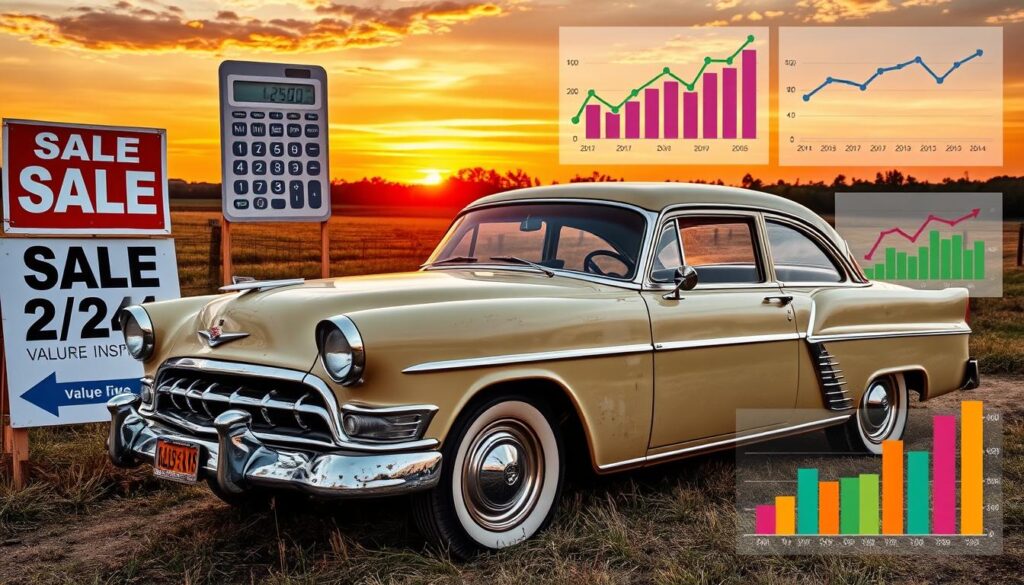
Start by researching the market to find a fair price for your car. Use online tools and compare similar cars in your area. This helps you understand your car’s value.
Remember, the price should match your car’s condition, mileage, and special features. For more tips, talk to auto sale experts in your area.
How to Handle Negotiations
When you list your car, buyers will try to negotiate. Know your lowest price before negotiations start. Listen to offers but stick to your price if it’s fair.
Point out your research and the car’s condition to strengthen your position. This can help you negotiate better.
When to Lower Your Price
If your car doesn’t get interest, it might be time to adjust car price. Look at feedback from potential buyers. Consider lowering the price a bit to attract more people.
Keep your listing updated and highlight what makes your car special. For more advice, check out resources from local car sale advisors.
Legal Considerations When Selling
When you sell your car, knowing the legal details is key. You need to handle the vehicle title transfer smoothly, meet car emissions standards, and deal with vehicle sales tax. We’ll cover each of these important steps to help you sell your car confidently.
Understanding Title Transfers
Transferring your car’s title is a must to officially hand over ownership. Each state has its own rules and paperwork for this process. Make sure to check with your local DMV to fill out all documents correctly. This way, you avoid any future problems.
Emissions and Inspection Requirements
Before selling, check if your car meets emissions standards. Many states require emissions tests to keep cars running well and green. You’ll need to visit an approved station for these tests, which check your car’s exhaust and more.
Sales Tax Implications
Don’t forget about vehicle sales tax when selling. The tax rate varies by location. Knowing your state’s tax rules helps you price your car right and avoid extra costs. It’s smart to talk to a tax advisor or check your state’s resources for the latest info.
Promoting Your Sale Effectively
Selling your old car requires smart promotion. Knowing how to use both old and new ways to advertise is key. This helps you reach more people. Here’s how to get your car seen by more.
Advertising on Social Media
Social media has changed car sales. Sites like Facebook Marketplace and Instagram help you find buyers fast. To make your listing better, use great photos, detailed descriptions, and hashtags. Answer questions quickly to keep buyers interested.
Utilizing Local Classifieds
Local ads in papers and online spots like Craigslist work well too. Write clear ads that show off your car’s good points. Include how to contact you. Update your ad often to stay visible.
Word of Mouth Techniques
Word of mouth is powerful. Tell friends, family, and coworkers you’re selling your car. Ask them to share your ad on social media. Personal recommendations can win trust faster than online ads.
Handling In-Person Buyers
When selling your car, knowing how to handle buyers in person is key. A smooth and secure meeting can lead to a successful sale.
Best Practices for Meeting Potential Buyers
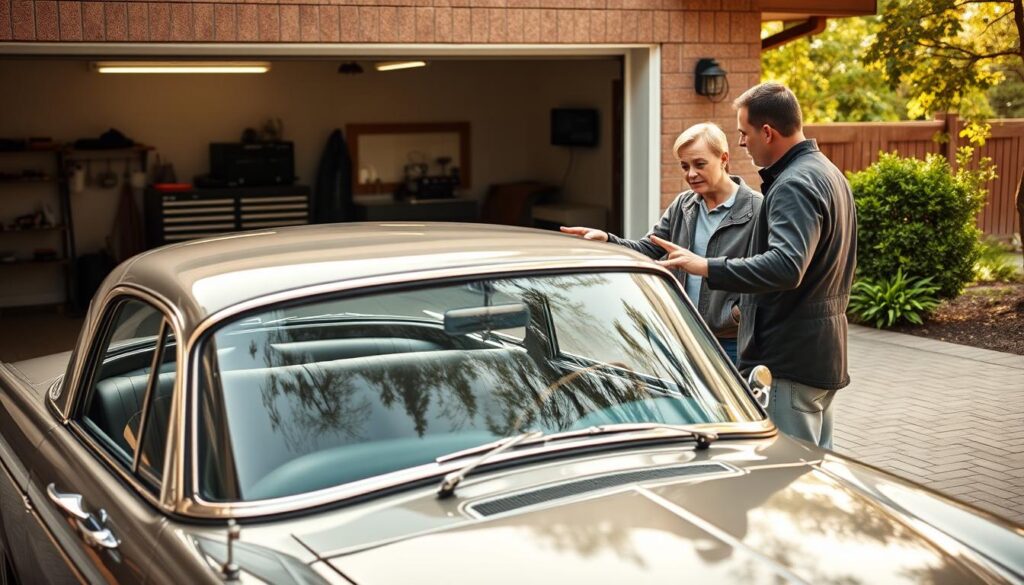
Always meet buyers in a public place for safety. Tell a friend or family member about the meeting. Only invite strangers to your home if it’s really necessary.
Conducting Test Drives Safely
Safe test drives are important for both parties. Ride along with the buyer and ask for their license and insurance before driving.
Negotiation Tips
Knowing how to negotiate is crucial for a good deal. Be ready to explain why your price is fair. Stay firm but open to good offers to close the deal.
Closing the Deal
As the final step approaches, ensuring a smooth transaction is essential. Here’s how to navigate through the last phases of your car sale with confidence.
Finalizing Paperwork
Completing the vehicle sale paperwork is crucial to legally transfer the ownership of the car. Make sure all necessary documents, like the title transfer and bill of sale, are filled out correctly. Double-check for any required signatures and give copies to both parties for their records.
Accepting Payments: Safe Methods
For secure payment acceptance, use verified payment methods like certified checks, bank drafts, or online payment platforms. Don’t accept personal checks because of fraud risks. Check with your bank to confirm the payment’s legitimacy before finalizing the deal.
What to Do After the Sale
After the sale, follow a post-sale checklist to finish up tasks. Tell the DMV about the transfer to remove your liability. Cancel the insurance on the sold vehicle and keep a copy of the sales documents for future use. Finally, send a thank-you note to the buyer to keep goodwill.
Post-Sale Considerations
After selling your old car, there are a few important steps to take. These steps will help you move on smoothly and avoid any problems. Make sure to tie up all loose ends.
Canceling Insurance and Registration
It’s key to cancel your car insurance and vehicle registration right after selling. Call your insurance company to let them know and end your policy. This stops you from paying for a car you don’t own anymore.
Also, tell the DMV to cancel your vehicle registration. This keeps your records up to date and avoids any future legal issues.
Dealing with Regrets: What If I Still Want It?
It’s normal to feel regret after selling a car. If you’re feeling this way, think about why you sold it in the first place. Remember the savings on maintenance and the chance to get a newer, better car.
Reflecting on these points can help you feel better and move on without doubts.
Planning Your Next Vehicle Purchase
Now that the sale is done, start planning for your next car. First, set a budget based on what you got from selling your old car. Look into different models and read what other owners say.
Talking to financial advisors can also give you good advice. With careful planning and smart choices, your next car will be a good fit for you.