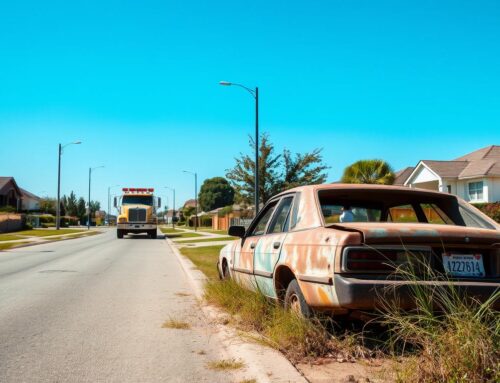
Did you know that 12 million vehicles are scrapped each year in the United States? This shows how important scrap car removal services are. With so many cars reaching the end of their life, finding a good vehicle disposal service is crucial.
Companies like CarBrain.com make it easy by offering fair prices and a hassle-free process. They use technology to quickly check your car’s details. This includes the year, make, model, and condition in under 90 seconds. You can find out more about their process and how they recycle cars here.
Key Takeaways
- An estimated 12 million vehicles are scrapped annually in the U.S.
- Efficient scrap car removal services are essential for vehicle disposal.
- CarBrain.com provides fair-market offers in under 90 seconds.
- Partnering with licensed recyclers ensures eco-friendly disposal.
- Understanding the impact and process of vehicle scrapping can maximize value and convenience.
Understanding Vehicle Scrapping and Its Importance
Vehicle scrapping is key to the car’s life cycle, giving old cars a green end. It keeps them from taking up space and helps with recycling. Many don’t know the good it does, and there are myths that need clearing up.
What is Vehicle Scrapping?
It’s when old or broken cars are taken apart to get parts and materials back. Recycling centers do this carefully. They make sure harmful parts are thrown away safely, while metals, glass, and plastics are reused.
Benefits of Scrapping Your Vehicle
One big plus is how it helps the planet. Recycling car parts means we use less new materials, which is better for the environment. It also frees up space and might even get you some cash.
Common Myths About Vehicle Scrapping
There are myths that stop people from using this service. Some think it’s bad for the environment, but modern recycling is very green. Others believe it costs too much and is a hassle, but many services offer good prices and it’s easy to do.
The Vehicle Scrapping Process Explained
Scrapping a vehicle might seem hard, but it’s easier when you know the steps. This guide will help you from start to finish. You’ll learn how to prepare your car and make sure everything is legal.
Step-by-Step Guide to Scrapping a Car
- Evaluate Your Vehicle: Check if your car is too damaged to fix and needs to be scrapped.
- Find a Reliable Service: Pick a certified auto recycler or salvage yard for eco-friendly disposal.
- Prepare Documentation for Scrapping: Have your car’s title, registration, and any other important papers ready.
- Remove Personal Belongings: Look for any items or valuables in your car before it’s taken away.
- Schedule a Pick-Up: Arrange with the scrapping service to have your car towed to the yard.
- Complete Transfer and Payment: Finish the paperwork and get paid for your scrap vehicle.
Required Documentation for Vehicle Scrapping
Having the right documentation for scrapping is key for a smooth process. You’ll need:
- Vehicle Title: Shows you own the car and lets the salvage yard take it.
- Registration: Proves your car is legally yours.
- Driver’s License: Your ID to confirm you can sell or scrap the vehicle.
Always check with your chosen scrapping service. They’ll tell you if you have everything needed for a smooth vehicle disposal process. Being prepared makes scrapping your vehicle easy and helps the environment by recycling your car.
Eco-Friendly Aspects of Vehicle Scrapping
Using eco-friendly scrapping methods is key to lowering the environmental impact of auto recycling. Scrapping cars helps reuse old vehicles and saves resources. It also makes the planet healthier for our future.
How Scrapping Reduces Environmental Impact
Scrapping vehicles helps protect our environment. It safely gets rid of harmful fluids and metals. This stops them from polluting our soil and water.
Recycling car parts also saves raw materials. It cuts down on emissions from mining and making new products.
Recycling Materials from Old Vehicles
Eco-friendly scrapping focuses on recycling car parts. Almost every part of a car can be reused or recycled. For example:
- Steel and Aluminum: These metals are melted down for new cars or other products. It saves mining efforts.
- Plastics and Rubber: They become new items like roads or playgrounds.
- Glass: Windshields are recycled into new glass products, saving energy and resources.
By recycling car materials, the scrapping industry boosts sustainability. It’s good for the environment and saves money.
Choosing the Right Vehicle Removal Service
Finding the best car removal service can seem tough. But, knowing what to look for makes it easier. Whether you choose car wreckers or junk car buyers, aim for a hassle-free experience.
Key Factors to Consider
When picking a vehicle removal service, consider these key points:
- Reputation: Look at reviews and testimonials to see if the service is reliable. Trusted car wreckers are often a good choice.
- Licensing and Certification: Make sure the service has the right licenses and certifications. This ensures a safe transaction.
- Environmental Policies: Pick a company that cares about the environment. This means your old car will be handled responsibly.
- Pricing and Quotes: Get quotes from different services to find the best price. Also, check for any hidden fees.
Questions to Ask Your Car Removal Service
After narrowing down your choices, ask these important questions:
- What is your process for vehicle removal and scrapping? Knowing their steps helps you prepare your car.
- Do you offer free towing services? Free towing can save you money and make things easier.
- How do you determine the value of the junk car? Clear pricing ensures you get a fair deal.
- What documentation is required? Knowing what paperwork you need can speed up the process.
- Are there any additional fees? Ask about any extra costs to avoid surprises.
By thinking about these points and asking the right questions, you can pick a reliable car removal service. This ensures a smooth and efficient process.
How to Get a Quote for Vehicle Scrapping
To get the best cash for cars in Las Vegas, NM, follow a few key steps. This ensures you get a fair and accurate valuation for your vehicle. Knowing the process helps you make smart choices and get the most money back.
Factors That Influence Scrapping Quotes
Several things affect the quotes you get for scrapping your vehicle. Here are the main factors:
- Vehicle Condition: The car’s condition, including any damage or working parts, greatly impacts the offer.
- Market Demand for Metals: Changes in demand for metals like steel, aluminum, and copper can change the offer amount.
- Make and Model: Some cars are more in demand for parts, leading to better quotes.
To get a precise quote, look up online and compare offers from different services.
The Cost of Not Scrapping Your Old Car
Keeping an old car might seem minor, but it comes with costs:
- Storage Fees: You might pay to store a car that doesn’t run.
- Environmental Impact: A non-running car can leak fluids and pollute.
- Missed Financial Opportunities: Not scrapping your car means missing out on cash.
Getting quotes for scrapping can help cover these costs. It can even give you unexpected financial gains. By researching, preparing your car, and comparing offers, you can get the most cash.
What Happens to Your Vehicle After Scrapping?
After your car is scrapped, its journey doesn’t end. It goes through many stages that help the environment and economy. Learning about these steps shows how your old car is recycled and reused.
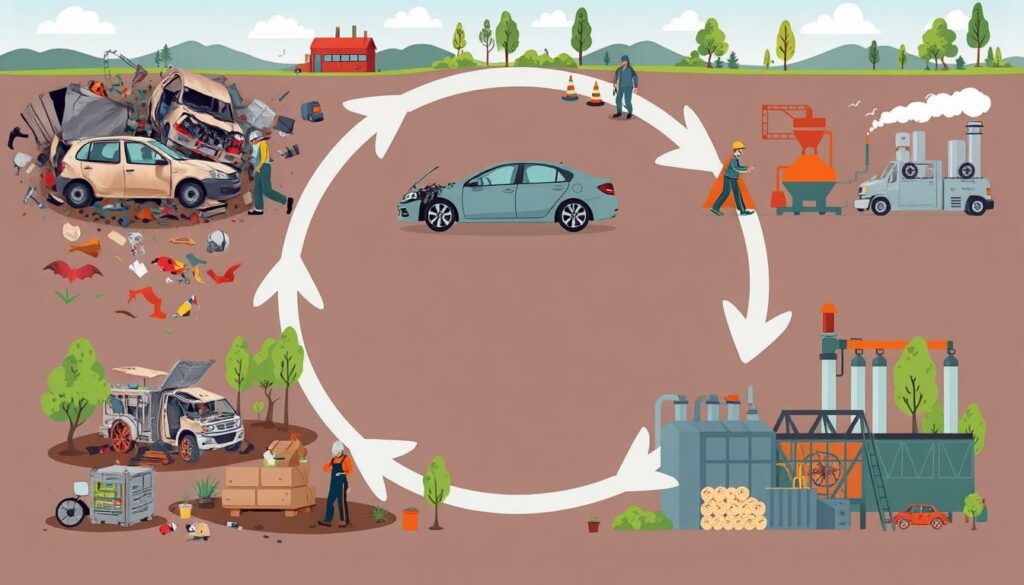
The Lifecycle of Scrapped Vehicles
The first step is removing harmful materials like batteries and fluids. This keeps the environment safe. Then, parts like engines and transmissions are taken out and fixed for sale.
After parts are removed, the car’s body is crushed and shredded. Most of it is metal, which goes to recycling facilities. There, it’s melted and turned into new products. This process saves natural resources and cuts down on energy needed to make new metals.
Understanding Auto Wrecking Yards
Auto wrecking yards are key in this process. They’re where cars go first after being scrapped. Here, cars are broken down to get parts for reuse and recycling.
These yards help the circular economy a lot. They make sure car parts are either reused or recycled. This reduces the environmental impact of cars and supports green industrial practices.
Legal Aspects of Vehicle Scrapping
Understanding the legal side of scrapping your vehicle is key. This part will cover title transfer and the rules you must follow. This ensures a smooth and legal process.
Understanding Title Transfer and Ownership
To legally scrap your vehicle, you must transfer the title. This step ends your ownership, protecting you from future car problems. The title transfer involves:
- Signing the title over to the scrapping company.
- Telling the Department of Motor Vehicles (DMV) about the change.
- Providing a bill of sale if your state asks for it.
It’s vital to follow the legal steps for title transfer to avoid issues later. Keep all documents safe for your records.
Regulations You Need to Follow
Scrapping a vehicle is more than just giving up your old car. You must follow certain rules to make sure it’s done right and safe for the environment. These rules include:
- Checking that the scrapping facility is licensed and follows the law.
- Removing personal items and license plates before scrapping.
- Properly getting rid of hazardous materials like batteries and fluids.
By knowing and following these scrapping regulations, you help the environment and meet all legal needs during the scrapping process.
Maximizing Value from Your Scrapped Vehicle
To get the most from your old car, prepare it well and look for valuable parts. Here’s how to make sure you get the best deal:
Tips for Preparing Your Car for Scrapping
Before you scrap your car, take some steps to increase its value. This simple guide will help:
- Remove All Personal Belongings: Double-check and remove all personal items from your vehicle.
- Gather Necessary Paperwork: Make sure you have all the required documents such as the car’s title, which can facilitate a smooth transaction.
- Drain All Fluids: Cars generally contain various fluids like oil, antifreeze, and gasoline, which need to be drained to comply with environmental regulations.
Additional Items for Scrap Value
Look for hidden treasures in your car to increase its scrap value. Consider these items:
- Battery: Car batteries contain lead and other valuable materials worth extracting.
- Catalytic Converter: This component contains precious metals like platinum, palladium, and rhodium, which are highly valuable.
- Electronics and GPS Systems: Modern cars contain numerous electronic components that have a decent resale value.
- Tires and Wheels: Good-condition tires and alloy wheels can fetch a higher price if sold separately.
Common Vehicles Suitable for Scrapping
Scrapping cars is a good way to get rid of old vehicles. Knowing which cars are often scrapped and their value is key to making a smart choice.
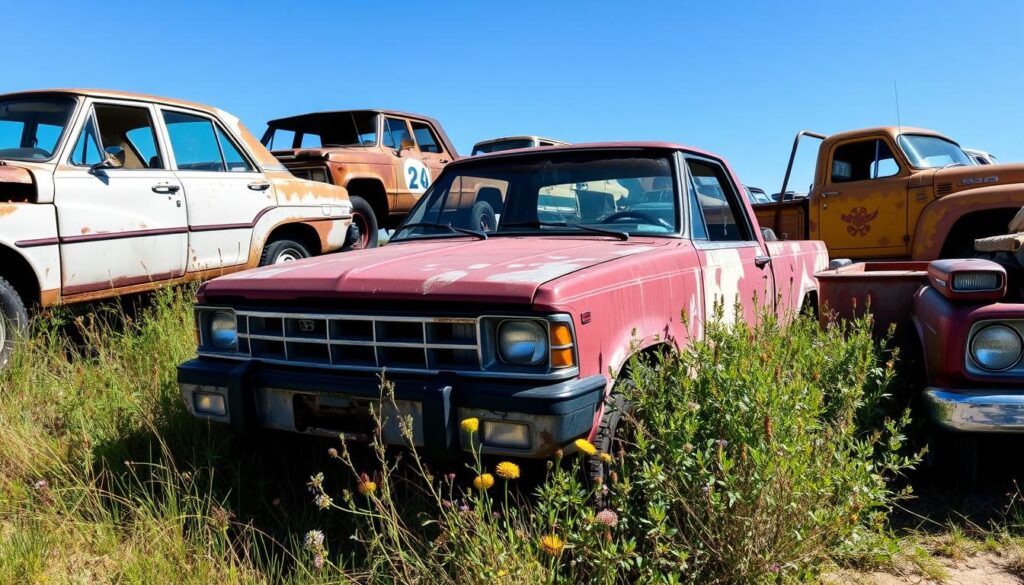
Types of Cars and Their Scrap Value
There are many types of cars, each with its own scrap value. Here’s a look at some common ones:
- Old Sedans: These cars are often too old and not reliable anymore.
- Non-functional SUVs: SUVs are worth more because of their heavy metal parts.
- Wrecked Trucks: Trucks damaged in accidents can still be valuable for their parts.
The value of a car for scrapping depends on its weight, materials, and demand for parts.
When to Consider Scrapping Your Vehicle
Knowing when to scrap your car helps you get the best value and save money. Here are some signs it’s time:
“I’ve spent more on repairs this year than the car’s worth,” many car owners say. Scrapping might be cheaper than fixing it.
Also, think about scrapping if:
- Fixing it costs more than the car’s value.
- The car fails emissions tests.
- Insurance says it’s a total loss.
Spotting these signs helps you know when to scrap your car and get the best value.
Customer Experiences with Vehicle Scrapping
Thinking about scrapping your old vehicle? You might wonder what others have gone through. Customer satisfaction with car scrapping is key. These real stories can give you a peek into the process and its perks.
Testimonials from Satisfied Customers
Across the country, car owners have shared their good experiences. Jane Smith from Los Angeles said the process was “seamless and quick”. It saved her time and effort. Robert Johnson in Chicago loved the eco-friendly aspect, feeling proud to reduce his carbon footprint.
These stories show how easy and efficient the right car scrapping service can be.
How Vehicle Scrapping Can Ease Your Troubles
Many have found scrapping their vehicle solves several problems. Sarah Parker from Denver said it ended her worries about expensive repairs and insurance. Mark Harris from Miami enjoyed the extra space in his driveway after his old car was gone.
These tales show scrapping can be a smart and helpful choice for many.
Overall, people are happy with car scrapping, enjoying its ease and eco-friendliness. If you’re thinking about scrapping your vehicle, these stories might convince you to take the leap.